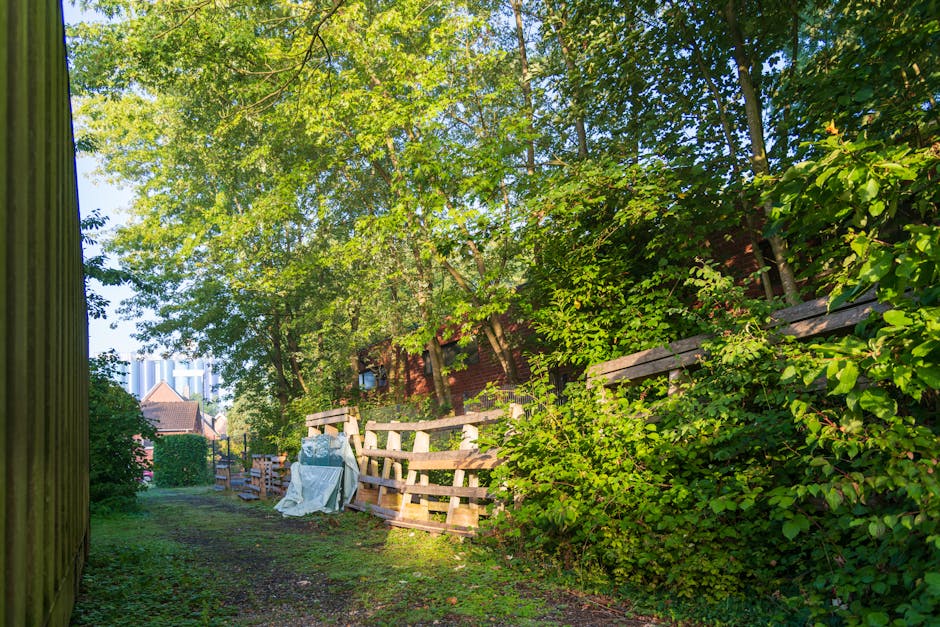
Palmers Green access problems for garden rubbish removal
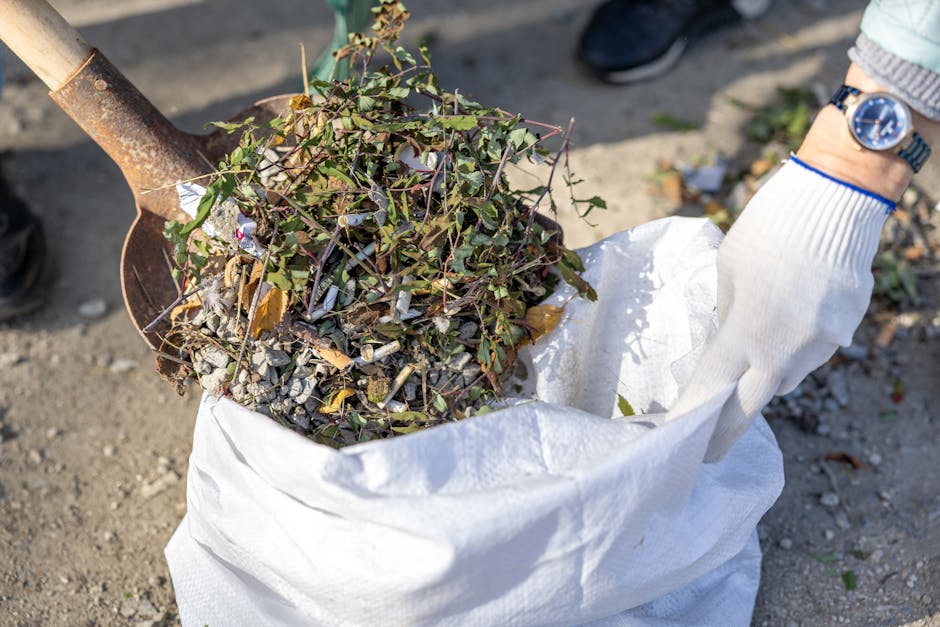
If you have ever stood at the back of a Palmers Green garden looking at a pile of hedge cuttings, broken pots, soil bags, and an awkward old shed panel and thought, how on earth is this getting out?, you are not alone. Palmers Green access problems for garden rubbish removal are one of those unglamorous but very real issues that can turn a simple tidy-up into a slightly messy logistical puzzle. Narrow side passages, tight terraced layouts, basement steps, shared driveways, parked cars, and heavy wet waste all change the job.
The good news is that access problems do not automatically make clearance difficult. They just mean the job needs a bit more planning, clearer communication, and the right removal approach. In this guide, we will break down what access issues look like in practical terms, why they matter, how professionals handle them, and what you can do to make the process smoother, safer, and usually cheaper too. A bit of prep goes a long way. Honestly, it really does.
Why Palmers Green access problems for garden rubbish removal Matters
Access shapes almost every part of a garden clearance job. If waste can be carried straight out to a waiting vehicle, the work is quicker, simpler, and usually less disruptive. If the route is awkward, the team may need to move waste in smaller loads, protect floors or fencing, take extra care around neighbours, or use more labour to avoid damage.
In an area like Palmers Green, that matters because properties vary so much. You get older homes with long, narrow gardens, small rear access paths, shared entrances, terraced layouts, and side returns that look fine for everyday use but feel much tighter when you are carrying heavy bags of soil or a stack of cut branches. Add a wet morning, a bin store, or a parked car in the wrong place, and suddenly the job needs more thought.
Access issues also affect expectations. A customer may imagine a quick lift-and-go clearance, while the reality is that waste needs to be moved carefully through a series of tight spaces. If nobody has discussed that in advance, the day can become stressful very quickly. That is why clear access information is not just a detail. It is central to planning.
Expert summary: The best garden clearance jobs are not the ones with the biggest vehicle or the fastest crew. They are the ones where access is assessed early, waste types are separated sensibly, and everyone understands the route before the first bag is lifted.
There is also a safety angle. Wet garden waste can be heavy and slippery, and narrow access points often include steps, uneven paving, or low walls. If you are dealing with thorny cuttings, old timber, broken planters, or soil, the risks go up a notch. That does not mean you need to panic. It just means the clearance should be handled with proper care.
If you are also dealing with mixed waste beyond the garden, such as old furniture, shed contents, or loose household items, it may be worth looking at broader services such as home clearance or garage clearance so the work can be coordinated instead of split into several awkward visits.
How Palmers Green access problems for garden rubbish removal Works
When a clearance team deals with poor access, the process usually starts long before arrival. The point is to understand the site well enough to choose the right plan. That may be a quick phone conversation, photos sent in advance, or a visit if the job is larger or more complicated.
Here is the practical flow most people should expect:
- Access is assessed. The team checks gate width, side passage size, steps, parking options, and whether waste can be taken directly to the vehicle.
- Waste is identified. Green waste, soil, timber, mixed rubbish, and bulky items are noted separately because they may need different handling.
- The carrying route is planned. A sensible route avoids damage to lawns, walls, floors, and narrow corner points. Sometimes that means using smaller loads and more trips.
- Vehicles and labour are matched to the site. If a large van cannot get close enough, a smaller vehicle or extra manpower may be better.
- Clearance happens in stages. Heavy or messy waste is often removed first so the route stays as clean and safe as possible.
- Final sweep and tidy-up. Loose debris is cleared, and the area is left ready for the next step, whether that is landscaping, repairs, or simply a breath of relief.
That sounds straightforward, and often it is. But the detail matters. A narrow alley that is perfectly fine for a wheelie bin may still be a headache when a person is carrying a full sack of soil. Same space, very different reality. You can almost feel the difference when you try to turn a corner with something bulky in your hands.
For more formal or larger clearances, especially where the garden work is linked with structural repairs or renovation, a company may also discuss builders waste clearance or broader waste removal options. That can be useful if your garden rubbish is only part of a bigger project.
Key Benefits and Practical Advantages
Good access planning is not just about avoiding problems. It creates real benefits that people often notice only after the job is done.
- Less risk of damage. Fences, gates, paving, paintwork, and planted borders stay protected.
- Better time control. Fewer surprises mean fewer delays. That matters when you are trying to fit a clearance around work, school runs, or neighbours' schedules.
- Cleaner final result. A carefully planned route leaves less mud, debris, and accidental mess behind.
- More accurate pricing. If access is described properly, the quote is more likely to reflect the real job rather than a rough guess.
- Lower stress. Let's face it, nobody wants a team arriving and discovering the only path is through a narrow, slightly sloping side gate with a wheelbarrow-sized turning circle of basically none.
There is also a customer experience benefit that gets overlooked. When a job is managed neatly, you feel in control. You know what is happening, why it is happening that way, and roughly how long it will take. That confidence is worth something. A lot, sometimes.
For garden rubbish specifically, the right approach can also improve sorting and recycling outcomes. If waste is separated properly on site, organic material, timber, and mixed rubbish are easier to route responsibly. If you want to know more about that side of the process, take a look at recycling and sustainability as part of a responsible clearance approach.
Who This Is For and When It Makes Sense
This kind of clearance planning is useful for a wider group than you might think. It is not only for people with tiny gardens or difficult layouts. In practice, it helps anyone where the route in and out is not completely open and obvious.
You may need this if you are:
- in a terraced house with rear access through a narrow passage;
- in a flat or maisonette where waste must pass through shared areas;
- dealing with a long back garden that cannot be reached directly by vehicle;
- clearing overgrown waste after a long period of neglect;
- removing heavy items like soil, sleepers, broken pots, or old shed panels;
- combining garden waste with household clutter or furniture;
- trying to avoid disturbing neighbours more than necessary.
It also makes sense if the job involves a particular deadline. Maybe you are preparing for landscaping, moving house, having a tenant check-out, or trying to get the garden back to a usable state before the weekend. Access issues can quietly derail those plans if nobody has thought them through.
A common real-world scenario is a small Palmers Green garden that looks manageable from the back gate but turns out to have a tight turn, a raised step, and not much room to stage bags. In that case, a team may work from the furthest point backwards, removing waste in a sequence that keeps the route open. Small detail, big difference.
If your property is one of those places where access and carrying routes are always a bit awkward, it can be worth thinking about related services too, such as flat clearance or house clearance, especially if the job is not limited to the garden alone.
Step-by-Step Guidance
If you want the smoothest possible clearance, the answer is preparation. Not an elaborate spreadsheet or a weekend of measuring everything with a tape measure. Just enough information to make the job workable.
- Walk the route from the garden to the vehicle. Look at gates, steps, corners, slopes, low branches, and anything that might catch a bag or wheelbarrow.
- Take a few clear photos. A wide shot of the garden, close-ups of narrow points, and images of the waste pile are usually enough to explain most access issues.
- Separate obvious waste types. Put green waste, timber, soil, and mixed rubbish into rough groups if possible. It helps the team work faster on arrival.
- Clear the route where you can. Move bikes, plant pots, garden tools, hoses, and furniture out of the way.
- Think about parking. If a vehicle cannot stop near the entrance, mention that early. Distance matters more than people often realise.
- Flag anything awkward. Loose paving, slippery moss, low head height, shared access, or a neighbour's gate that swings into the route should all be mentioned.
- Choose the right service level. A focused garden clearance is not always the same as general waste removal. Use the service that matches the job.
- Ask how the team handles difficult access. A good provider will explain their method clearly, without sounding vague or rushed.
Here is the simple version: make the path obvious, make the waste visible, and make the obstacles known. That is half the battle won.
If you need to compare options before booking, it is sensible to check pricing and quotes so you can understand how access, labour, and waste volume may affect the final figure. No one likes mystery pricing. Fair enough.
Expert Tips for Better Results
Over the years, the most reliable jobs usually have one thing in common: the customer has given enough practical detail to avoid guesswork. That does not mean perfect planning. It just means sensible planning.
- Take photos in daylight. Morning or early afternoon shots are often better than images taken in gloomy evening light. Shadows can hide obstacles.
- Do not underestimate soil. It looks harmless in a pile, then suddenly you remember it is very heavy. Wet soil is even worse.
- Leave yourself one clear route. Even if the garden is messy, one path should be kept open from the waste pile to the exit.
- Be honest about the access. If a gate is stiff, mention it. If there is a low wall, say so. Nobody benefits from a surprise on the day.
- Ask about protective measures. Floor protection, careful lifting, and sensible stacking are signs of a job done properly.
- Plan around neighbours. In tighter Palmers Green streets, a clear arrival and departure window can help avoid unnecessary friction.
One small but useful tip: if the garden has a lot of mixed waste, create a staging area near the easiest exit point. Even a small patch of patio can save a huge amount of time compared with moving items from the far end of the garden one by one. It sounds obvious. People still forget it.
And if the access issue is part of a bigger clean-out, not just the garden, it may be sensible to coordinate the whole job with furniture disposal or furniture clearance so you only have one organised visit rather than several half-finished ones.
Common Mistakes to Avoid
A lot of access problems are not really access problems at all. They are information problems. The good news is that most of them are preventable.
- Leaving access details until the day. That is the classic one. A team cannot plan for what it does not know.
- Forgetting about parking. A van may be able to get close enough, or it may not. That distance changes the work rate.
- Assuming all garden waste is light. Wet hedge clippings, turf, and soil are heavy. Very heavy, in some cases.
- Blocking the route with small items. A single hose reel or wheelbarrow can turn into a frustrating obstacle when the path is already tight.
- Overlooking shared areas. Flats, communal gardens, and shared driveways need extra care and coordination.
- Trying to force oversized items through a tight gap. That is how gates get scraped and tempers get short.
- Choosing price alone. Cheapest is not always best if the job needs careful handling and proper insurance.
Sometimes people assume access issues mean the crew will simply "make it work" somehow. In reality, making it work safely is the whole point, and that may mean a slower route, extra labour, or a different vehicle setup. Better a slightly longer plan than a damaged fence and a lot of sighing.
Tools, Resources and Recommendations
You do not need specialist kit to prepare well, but a few simple tools help a lot. Most are already in a normal shed or utility cupboard.
- Smartphone camera: take clear pictures of gates, side passages, and the waste pile.
- Tape measure: useful if a gate or gap looks tight and you want to describe it accurately.
- Gloves and sturdy footwear: sensible for any DIY sorting before collection.
- Bin bags or sacks: helpful for loose cuttings and smaller bits that would otherwise scatter.
- Wheelbarrow or garden trolley: useful only if the route is stable and wide enough.
- Basic labels or separate piles: make green waste, timber, and mixed items easier to identify.
From a service perspective, it helps to choose a provider that is clear about how they handle access, labour, and disposal. A professional service should be able to explain what happens when the garden is tight, whether the waste can be taken in one run or several, and how they keep the area tidy.
If you are comparing more than one type of clearance, you may also find it useful to review garage clearance or loft clearance if the garden is just one part of a much bigger tidy-up. That way, the planning happens once, properly, rather than in bits.
Law, Compliance, Standards, or Best Practice
For garden rubbish removal in the UK, the key point is that waste should be handled responsibly and transferred to suitable disposal or recycling routes. You do not need to become an expert in waste law to arrange a clearance, but it does help to work with a provider that understands its obligations and treats them seriously.
As a customer, your practical responsibility is simple: give accurate information about the waste and the access, and do not place anything hazardous or unusual into the pile without discussing it first. If something may be sharp, contaminated, heavy, or not ordinary garden waste, it should be flagged. That includes items like broken glass, old treatment containers, or waste that may need special handling.
Best practice also means thinking about safety on site. Clear walkways, stable footing, sensible lifting, and proper communication all matter. If access is poor, the job should be adapted rather than rushed. That is especially true where people are carrying loads through shared entrances or across uneven paving.
If you want reassurance on the provider side, it is reasonable to review pages such as health and safety policy, insurance and safety, and about us to understand the company's working standards and approach.
Options, Methods, or Comparison Table
Different access situations call for different methods. There is no single "right" way. The best approach depends on distance, waste type, site layout, and how quickly you need the area cleared.
| Method | Best for | Pros | Limitations |
|---|---|---|---|
| Direct carry to vehicle | Open gardens with good access | Fast, tidy, efficient | Not suitable where gates or paths are too tight |
| Small-load carrying | Narrow passages and stepped routes | Flexible and safer in restricted spaces | Slower and more labour-intensive |
| Staged clearance | Large or cluttered gardens | Keeps the route open and organised | Needs more upfront planning |
| Mixed-property clearance | Garden plus household or shed contents | One coordinated job instead of several visits | Requires clearer sorting and pricing discussion |
For many Palmers Green homes, staged clearance is the most realistic option when access is awkward. It gives the team room to work and reduces the chance of damage. If the garden is also linked to an internal clear-out, the job may be better handled alongside house clearance or home clearance rather than as a standalone waste collection.
Case Study or Real-World Example
Picture a typical small Palmers Green rear garden. There is a narrow side path, a step down from the house, and a patch of overgrown cuttings, old compost bags, and a damaged shed shelf leaning against the fence. On paper, it sounds like a couple of easy loads. In reality, the route is the challenge.
In a case like that, the sensible approach is to clear the path first, then move the heavier items in smaller loads, then take the lighter green waste out once the route is safer. If the bags are wet from overnight rain, they are lifted carefully and not overfilled. The crew may need to pause once or twice to avoid mud spreading onto paving. Nothing dramatic. Just careful, steady work.
The homeowner usually notices two things afterwards. First, the garden feels larger because the clutter is gone. Second, the access issue that seemed daunting at the start turns out to have been manageable once it was properly planned. That is often the real lesson. Most difficult spaces are not impossible. They just need a practical method.
And yes, sometimes a job that looked like it would take forever turns out to be fine once everyone has stopped guessing and started planning. Funny how that works.
Practical Checklist
Use this checklist before arranging garden rubbish removal in a property with tricky access:
- Measure or at least visually check gate width and passage width.
- Take photos of the route, not just the waste pile.
- Note any steps, slopes, low walls, or loose paving.
- Check whether parking is available close to the property.
- Clear away bikes, tools, plant pots, and loose obstacles.
- Separate green waste from heavier mixed rubbish if possible.
- Tell the provider if the garden is wet, muddy, or overgrown.
- Flag shared entrances, communal areas, or neighbour-sensitive routes.
- Ask how the team will protect surfaces and manage carrying distances.
- Confirm whether your job is garden-only or part of a bigger clearance.
If you want a service that can handle awkward layouts with a sensible, safety-first approach, it is worth discussing the details early and looking at garden clearance as the core service, with support from the wider guidance on pricing and quotes and recycling and sustainability.
Conclusion
Palmers Green access problems for garden rubbish removal are common, but they are not a dead end. In most cases, the solution is a combination of clear information, realistic planning, and a method that suits the site rather than forcing the site to suit the method. Narrow route? Fine. Shared access? Fine. Heavy garden waste? Still fine, as long as the job is approached properly.
The main thing is not to leave access as an afterthought. Once you describe the route, flag the pinch points, and plan for the actual shape of the garden, everything becomes easier. Cleaner, too. And less stressful, which counts for a lot on a busy week.
Get a free quote today and see how much you can save.
When the last bag is gone and the path is clear, the whole garden tends to feel like itself again. That's a good feeling, simple as that.
Frequently Asked Questions
What counts as an access problem for garden rubbish removal?
Anything that makes it hard to move waste from the garden to the collection vehicle counts as an access problem. Common examples include narrow side passages, steps, steep paths, tight gates, shared entrances, and long carrying distances.
Do I need to measure my gate before booking?
You do not always need exact measurements, but it helps if the access looks tight. A quick photo and a rough sense of width are often enough for an initial quote. If the space is very awkward, a tape measure can remove a lot of uncertainty.
Will difficult access make my garden rubbish removal more expensive?
It can, because awkward access may mean more labour, slower carrying, or extra planning. That said, a clear description of the site usually leads to a more accurate quote and fewer surprises on the day.
Can garden waste be removed through the house if there is no side access?
Sometimes, yes, but it depends on the property and the type of waste. This should be discussed in advance because the team may need to protect floors and walls, and some routes are simply not practical for heavier or messy waste.
What if my garden is overgrown and the path is blocked?
That is very common. The usual approach is to clear a working route first, then remove the bulk waste in stages. A team with experience in awkward gardens will normally plan for that rather than treating it as a problem.
Can wet soil and heavy green waste be handled through narrow access?
Yes, but it needs careful lifting and sensible load sizes. Wet soil is much heavier than it looks, so smaller loads and safer carrying methods are usually the best option.
Should I mention neighbour access or shared driveways?
Definitely. Shared access points can affect timing, carrying routes, and how the job is organised. Mentioning them early helps avoid awkward moments when the team arrives.
Is it better to choose a full garden clearance or a general waste removal service?
If the job is mostly garden waste, a dedicated garden clearance is usually the better fit. If you also have furniture, shed contents, or mixed household rubbish, a broader waste removal or home clearance service may make more sense.
How can I make an awkward garden clearance faster?
Clear the route, separate obvious waste types, send photos in advance, and mention any steps, slopes, or narrow points. That simple prep can save a surprising amount of time.
What happens if the team arrives and the access is worse than expected?
A good provider will usually adapt the method, discuss the options, and explain any impact on timing or cost. The important thing is that the access issue is dealt with safely rather than rushed.
Are there safety risks with narrow access and garden waste?
Yes. Wet surfaces, uneven paving, sharp cuttings, heavy bags, and tight corners can all increase the risk of trips, strains, or minor damage. That is why careful planning and steady handling are so useful.
Can I combine garden rubbish removal with other clearance jobs?
Yes, and often that is the most efficient approach. If you are also clearing a shed, garage, loft, or internal rooms, combining the job can reduce repeat visits and make access planning easier overall.