Garden Clearance in Palmers Green

Garden clearance in Palmers Green should leave outdoor spaces ready for practical use, seasonal maintenance or a fresh start with planting and landscaping. Our service covers the collection and removal of green waste, mixed garden debris and awkward outdoor items that have built up over time. From light tidy-ups to fuller clearances, we work with the space as it is and help customers move from overgrown or cluttered ground to something more manageable. The focus is on sensible clearance, careful handling and a straightforward end result.
We clear material such as branches, hedge cuttings, leaves, soil, broken planters, old pots and weathered garden clutter, alongside other items that no longer belong outside. Where access is tighter, the work is planned so items can be moved without unnecessary disturbance to walls, beds or paving. Garden clearance is often about more than lifting waste: it is about separating what can be removed, what may be kept and what needs to be handled with care because of weight, shape or condition.
For a quote, it helps to share the size of the area and the sort of material involved. A few clear details are usually enough to shape an accurate price for the work and the loading required. If you are comparing options, you can request a quotation once you know the scope of the clearance, or continue reading to see how different parts of the service are handled. Keep the message simple and describe the garden as it stands now.
Clearing overgrown borders, beds and general garden waste
Garden clearances often begin with the most visible growth: borders that have spread beyond their intended shape, beds full of cuttings after trimming, and piles of waste waiting to be taken away. We remove the loose material that makes an outdoor area feel difficult to use, including mixed vegetation, dead plants and seasonal debris. Where a garden contains a combination of fresh growth and old waste, the work is approached in a way that keeps the different materials separate enough for sensible handling and disposal.
This type of clearance is useful when a garden needs to be reset before regular maintenance can begin. It can involve removing accumulated debris from corners, dismantling untidy piles and collecting material from around paths or edges where it has drifted. If there are items that need to remain in place, such as mature shrubs, fixed features or decorative planters, the removal can be directed around them. Garden clearance work is most effective when the removal plan matches the layout rather than forcing a one-size-fits-all approach.
Typical outdoor waste can include:
- branches, hedge trimmings and cuttings
- fallen leaves, weeds and plant matter
- soil, turf offcuts and small rooted debris
- broken pots, worn edging and faded outdoor clutter
- mixed bags of garden waste from a tidy-up
Garden waste, bulky outdoor items and mixed materials

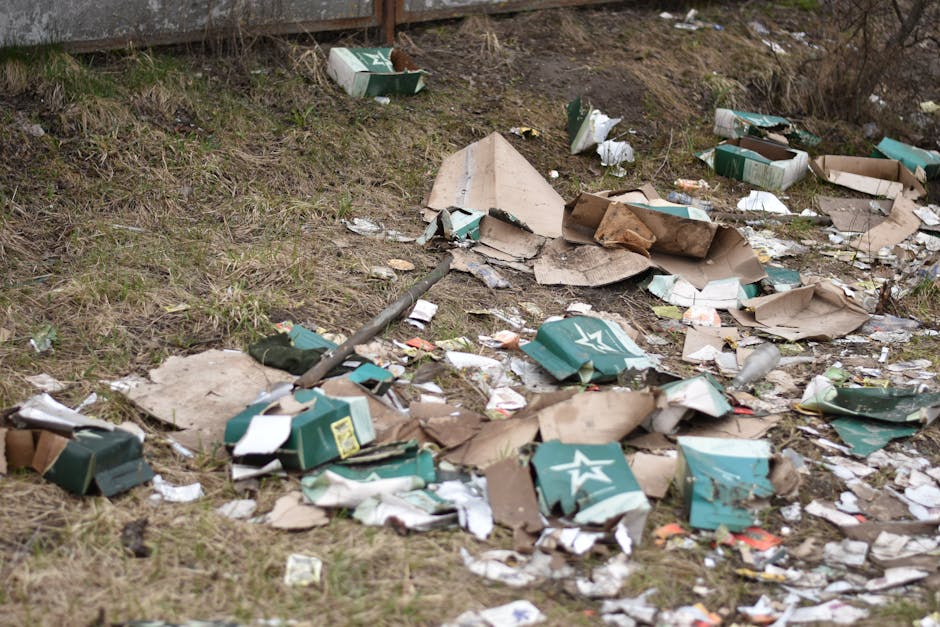
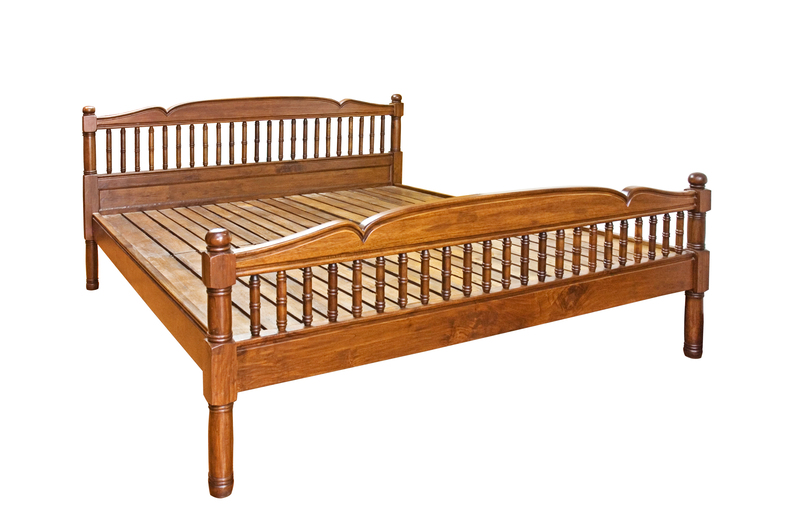
Not every clearance is made up of pure green waste. Many gardens hold a mixture of plant material, damaged furniture, old storage items and general outdoor clutter. We handle mixed clearances by sorting the load into workable categories so that useful space is recovered without forcing the customer to separate everything in advance. That may include unwanted broken seating, rotted timber, plant containers, fence offcuts and other items that are no longer serving a purpose outdoors.
When heavier items are present, the method matters. Bulky materials can be awkward to carry through narrow side access or across delicate surfaces, so care is taken with the route and the order of removal. If the clearance includes both lightweight waste and heavier pieces, those items are loaded sensibly to reduce dragging or repeated handling. A good waste removal arrangement is not only about taking things away, but about doing so in a way that respects the condition of the surrounding space.
Some gardens need a clear-out before further work can begin, while others only need the removal of a few disruptive objects. In either case, the outcome should be practical: a clearer area, less obstruction and a surface that is easier to inspect, clean or rework. If the task includes delicate surfaces such as decking, gravel or older paving, it is worth mentioning that early so the loading approach can be matched to the site. The aim is always to leave the area ready for what comes next.
Access, loading and careful working around the property
Access can shape the whole job. A clear run to the garden, a side passage, steps, narrow gates or shared entry points all influence how the clearance is organised. We work with the access that is available and avoid unnecessary movement through indoor rooms unless that is the only practical option. This keeps the process tidy and reduces the chance of scuffs, mess or avoidable disturbance. It also helps when waste has to be carried in smaller loads rather than moved in a single pass.
Where customers are preparing for a quotation, the most useful information is usually the type of material, the approximate amount and any access limitations. A short description is enough in many cases, although a couple of photographs can make the scope clearer if there are several different waste types in one garden. If you have large bags, stacked branches or items hidden behind sheds, mention that as part of the enquiry. Pricing and quotes are easier to match to the work when the removal conditions are explained plainly.
Access notes can make a meaningful difference to planning, especially where clearance items are bulky or the route is uneven. Helpful details include whether the area is through a front gate, along a side path or across a shared drive. If the garden is overgrown, it is also useful to say whether the waste is close to the entrance or spread across the full space. That allows the work to be organised properly without assuming any particular layout.
What is included in a practical garden clearance
A useful clearance service deals with the things that are getting in the way, not only the most obvious garden rubbish. That may mean lifting waste from beds, removing cut vegetation from hard surfaces, collecting loose debris from corners and taking away items that have become weathered beyond practical use. We also deal with the material that falls between categories, such as a pile containing both green waste and disused outdoor equipment. The aim is to clear the space in a balanced, orderly way.
In some cases the work is part of a larger property tidy-up. A garden can be affected by recent pruning, broken weather damage or a long period of neglect, and each of those situations can leave a different mix of waste behind. The important point is that the clearance matches the condition of the area rather than forcing the job into a rigid pattern. Where appropriate, we can also support linked household work through a home clearance if the outdoor job forms part of a wider removal plan.
Supportive preparation is helpful, but it need not be complicated. If anything is being kept, placing it away from the waste makes the process smoother. If the garden contains fragile ornaments, plant labels, tools or items that should not be removed, it is best to identify them before the work begins. Clarity at the start is often enough to make the clearance easier, quicker to organise and more accurate in scope. The service then focuses on removal rather than sorting uncertainty on site.
From seasonal tidy-ups to fuller resets

Some customers need a light seasonal clearance after pruning or leaf fall, while others need a more substantial reset after months or years of accumulation. The work can be scaled to suit either situation. A smaller tidy-up might involve collected green waste, a few bags and scattered cuttings. A larger clearance may include dense piles, old containers, broken outdoor storage and additional debris gathered from several parts of the garden. Each version still follows the same principle: remove the unwanted material and leave the remaining area sensible to use.
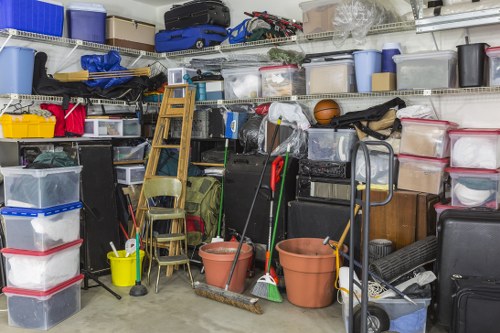
Seasonal clearances often help people regain control before planting, mowing or landscaping begins. Fuller resets are usually more involved, especially when items have been left outside for a long time and the waste has become mixed with soil or wet vegetation. That does not change the basic service, but it does influence the time and loading required. Where the job includes items from a garage or side area as well as the garden, a related garage clearance can be considered if it forms part of the same overall removal requirement.
Useful decisions during planning include whether you want only the waste taken away or whether you also need help clearing the full outdoor area of loose material. A simple approach is often best: identify the sections that matter most, note any large items and explain which parts of the garden are in use. That gives enough detail to build a practical quotation without adding unnecessary complication.
Garden materials and disposal choices
Different garden materials are not always handled in exactly the same way. Green waste, timber, soil, damaged fittings and mixed rubbish all place different demands on loading and disposal. A thoughtful clearance therefore considers what the waste is made of and how it should be separated for the next stage. This can make the work cleaner and more orderly, especially when a clearance includes both organic debris and manufactured items such as plastic planters or broken garden equipment.
Where sustainability is a concern, it may be useful to understand how the removed material is managed after collection. Mixed outdoor waste can often be separated so that suitable material is diverted from general disposal, depending on its condition and composition. More information is available on our recycling and sustainability approach, which sits alongside the practical side of the service. The key point for customers is that removal is not treated as a single undifferentiated pile when better handling is possible.
It is also worth remembering that not every item in a garden is lightweight or easy to shift. Old compost bags, wet soil, timber sleepers and saturated vegetation can add up quickly. When items are dense or awkwardly shaped, it helps to know that in advance so the collection can be planned around safe lifting and sensible loading. The better the item mix is understood, the more accurate and efficient the clearance can be.
About Palmers Green
Palmers Green is a district in the London Borough of Enfield, in north London, centred around Green Lanes and associated with a strong sense of residential character. The area developed from older rural settlement patterns into a suburban district during the nineteenth and early twentieth centuries, and much of its built environment reflects that growth. Tree-lined streets, local shopping parades and varied housing stock give it a settled feel, while the nearby network of parks and open spaces adds to the neighbourhood character. Broomfield Park is one of the best-known green spaces in the district, with formal gardens, mature planting and a layout that reflects the kind of public open space common in established London suburbs. The New River also passes through the wider area, providing a reminder of the historic waterway infrastructure that shaped parts of north London. Palmers Green is also notable for its local architecture, which ranges from Victorian and Edwardian houses to later infill development and commercial properties along the main roads. Green Lanes forms a busy corridor with retail, dining and everyday services, while quieter side streets retain a more domestic atmosphere. The district has long been linked with railway transport and suburban commuting, which helped shape its growth and continues to influence how people move through it today. Cultural life in the area is shaped by its mix of local businesses, parks and community facilities, giving Palmers Green a distinct identity within Enfield rather than simply functioning as an anonymous part of the wider borough. That combination of established streets, accessible green space and neighbourhood amenities makes it a recognisable and varied part of north London.
Planning a clear-out with sensible scope and timing

The easiest clear-outs are those that are planned around the material itself. If the garden contains a lot of lightweight cuttings, the job may be straightforward; if it includes wet soil, heavy containers or compacted waste, the handling needs more care. We therefore focus on sensible scope rather than assumptions. A good plan explains what should be removed, what should stay and whether the work needs to happen before gardeners, landscapers or householders move on to the next stage of the property.
There is no need to overstate the task. A short description can cover a surprising amount: the type of waste, where it is located and whether there are access issues. If you are not sure how to describe the load, a simple note such as mixed garden waste with a few bulky items can still be enough to begin the quotation process. In the final stages, the main thing is to make the next step easy, so that the clearance can proceed without confusion.
For larger or more complex jobs, it can help to think about which parts are truly part of the garden clearance and which belong to a wider property tidy-up. That distinction makes the quote more accurate and keeps expectations clear. If you are ready to move ahead, you can ask for a quotation in plain terms and describe the outdoor area as it is now. Contact us when you want to discuss the work and agree the next step.
Choosing the right level of clearance for the space
Not every outdoor area needs a full reset. Some gardens only need a focused clearance around one section, such as a back boundary, a shed side or a neglected corner where waste has gathered. Others are better treated as a broader tidy-up, especially where debris is spread across paths, beds and hardstanding. Choosing the right level of clearance is useful because it keeps the work proportionate to the space and avoids paying for more removal than is needed.
Where people are comparing options, the main questions are usually practical rather than technical. Is the garden mostly green waste or is it mixed? Are the items loose and easy to load, or are they compacted and heavy? Does the access route allow straightforward movement, or does it involve turns, steps or restricted passage? A clear answer to those points is often enough to shape the quote and avoid back-and-forth later. If the garden work is linked to a property clean-up, a house clearance may also be relevant when indoor and outdoor waste need to be dealt with together.
One helpful way to prepare is to look at the space with a practical eye rather than a decorative one. Decide which items are staying, which are to be removed and whether anything may need careful separation. That makes it easier to talk through the work without overexplaining. A concise enquiry is often all that is required for a sensible response.
Requesting a quotation for garden clearance
When you request a quotation for garden clearance in Palmers Green, the most useful details are the size of the area, the type of waste and any access points that could affect removal. If there are separate piles in different parts of the garden, mention them so the scope can be understood properly. The clearer the information, the more likely it is that the quotation will reflect the real work rather than a rough guess. That helps the process stay straightforward for both sides.
If you are comparing services, think first about the job in front of you rather than trying to describe the garden in technical terms. A basic outline is enough: whether it is a seasonal tidy-up, a mixed waste removal or a fuller clear-out of an overgrown space. For support with different parts of the property, you might also look at flat clearance if the same project includes indoor items. Keep the focus on what needs removing and what condition the space is in now.
Ready for a quote? Send a short description of the garden, the waste type and any access details, and we can help you take the next step. If the work is straightforward, a plain message is often sufficient. If it is more involved, a few extra details can save time and make the arrangement more accurate. When you are ready, request a quotation and let us know what needs clearing.